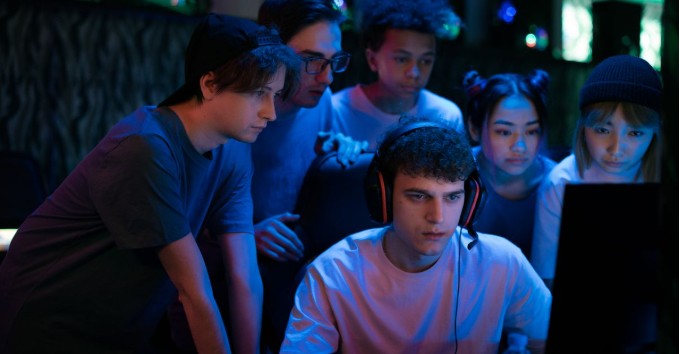
Have you ever looked around and noticed how online gaming now feels as normal as streaming a show or chatting in a group message?
That shift has been building for years. What once felt like a smaller hobby enjoyed by a limited group has slowly become part of everyday life for millions of people.
Online gaming now fits naturally into how people relax, connect, and spend time with others.
A big reason for this change is simple: online gaming became easier to access, easier to understand, and much more social. It stopped feeling like something only a few people were into and started becoming a familiar part of modern free time.
Today, it sits comfortably alongside movies, music, social apps, and other popular forms of entertainment.
Online Gaming Started As Something More Limited
In its earlier days, online gaming felt more specific and less woven into daily routines. People who enjoyed it often had to go out of their way to make it part of their lives. It felt exciting, but also more niche in how people talked about it and used it.
Over time, that began to change. As access improved and more people became comfortable with digital entertainment, gaming started reaching a much wider audience.
Early Players Often Felt Like Part Of A Smaller Group
In the beginning, online gaming was often seen as a hobby for people who were especially interested in deposit 1000 games and technology. It had a more specific image.
Back then, players often:
- spent time learning systems on their own
- connected with smaller groups of people
- treated gaming as a special hobby
- felt part of a close-knit scene
That smaller scale gave online gaming a distinct identity. For many early players, that was part of the appeal.
Access Was More Limited In Everyday Life
Another reason online gaming felt niche at first was that it did not fit as easily into daily schedules and routines.
People often had fewer simple ways to:
- get online quickly
- join friends right away
- play in short sessions
- switch easily between gaming and other digital activities
As digital life became more common, these barriers became less important. That opened the door for many more people to join in.
Better Access Helped Online Gaming Grow
One of the biggest reasons online gaming moved into the mainstream is that it became more accessible. People no longer needed to treat it like a special event. It started fitting into ordinary life smoothly and naturally.
That made a huge difference. Once something becomes easier to access, more people are willing to try it and keep it in their routine.
It Became Easier To Fit Into Busy Schedules
Modern life is full of short breaks, flexible routines, and quick digital habits. Online gaming adapted well to that rhythm.
People could now enjoy it in ways that felt practical, such as:
- a short session after work
- a quick match during free time
- weekend play with friends
- evening sessions as part of a normal routine
This flexibility helped gaming move from “special hobby” to “regular entertainment.”
More People Became Comfortable With Digital Leisure
As people got more used to online life in general, gaming started to feel less unfamiliar. Messaging, streaming, social apps, and online communities all became normal parts of the day.
Online gaming benefited from that wider comfort with digital activities.
Here is a simple way to look at it:
| Then | Now |
| More limited access | Easy to fit into daily life |
| Smaller groups of players | Much wider range of players |
| Seen as a specific hobby | Seen as a common leisure activity |
| Less social reach | Strong social connection |
This shift helped gaming feel much more familiar to everyday users.
The Social Side Changed Everything
A huge part of online gaming’s growth came from its social appeal. Once people saw it not only as deposit 5k gameplay but also as a way to spend time with others, it started reaching more and more homes and friend groups.
This made gaming feel warmer, more relatable, and more connected to daily life.
Friends Could Spend Time Together More Easily
One of the biggest changes was that online gaming became a simple social plan. People no longer needed to meet in person to share a fun experience.
A normal evening could now look like this:
- finish work, school, or chores
- log in for a while
- talk, laugh, and play with friends
- end the session feeling like real time was shared
That kind of routine made gaming feel familiar and useful in everyday life.
Communities Helped It Feel More Welcoming
As more people joined online gaming spaces, communities began to grow around shared interests. These groups helped new and regular players alike feel included.
People enjoyed:
- group chats
- shared jokes
- regular team sessions
- friendly tips
- a sense of belonging
That community feeling made online gaming more than a hobby. It became a social habit.
Online Gaming Became Part Of Everyday Culture
As gaming grew, it also started showing up more often in normal conversation, online humor, and daily routines. At that point, it was no longer sitting on the edges of culture. It had become part of the main flow of modern entertainment.
This is often how something moves into the mainstream: it becomes familiar enough that people stop seeing it as unusual.
It Began To Sit Beside Other Popular Activities
Online gaming now shares space with many everyday habits. People may game, stream shows, scroll social media, and message friends all in the same evening.
That makes gaming feel less separate and more like one option in a wider mix of free-time choices.
For many people, it is now part of:
- relaxing after a long day
- staying in touch with friends
- filling short breaks with fun
- enjoying interactive entertainment
It Reached Many Different Types Of People
Another major reason for its rise is that online gaming now appeals to many kinds of players. It is no longer linked to one narrow group.
People of different ages, routines, and interests now enjoy it in their own way. Some like short solo sessions. Some prefer social play. Some like teamwork. Others enjoy quiet play at their own pace.
That wider appeal helped online gaming become part of everyday mainstream life.
Why This Evolution Matters
The move from niche hobby to mainstream activity did not happen overnight. It grew step by step as access improved, digital habits changed, and social features became a bigger part of the experience.
It Reflects How Entertainment Has Changed
People now enjoy entertainment that feels flexible, interactive, and social. Online gaming matches all of those habits very well.
It Shows How Normal It Has Become
In the end, the evolution of online gaming tells a simple story: something once enjoyed by a smaller circle slowly became part of ordinary life. Today, online gaming is a common way people relax, connect, and have fun.
That is what makes its growth so interesting. It did not just get bigger. It became familiar, social, and fully woven into modern leisure.