Selling your home is a major decision that often begins with one fundamental question: What is your property truly worth in today’s market? Without an accurate valuation, homeowners risk making substantial missteps when setting the asking price. This is where guidance from a local expert, such as 30A Destin FL real estate agent India Lucious, becomes especially valuable, helping your property stand out among buyers and achieve your financial goals.
Determining the right price isn’t just about numbers; an effective valuation can lead to a quick, profitable sale or a listing that stagnates. Buyers have access to abundant information, so an incorrectly priced home can be overlooked in favor of better-valued competitors. Aligning your expectations with the true market value builds trust and streamlines the selling process.
In digital real estate, quick online estimators are tempting, but they often lack the nuance to consider market trends, property condition, and timing, factors only a professional can thoroughly evaluate.
The Importance of Accurate Home Valuations
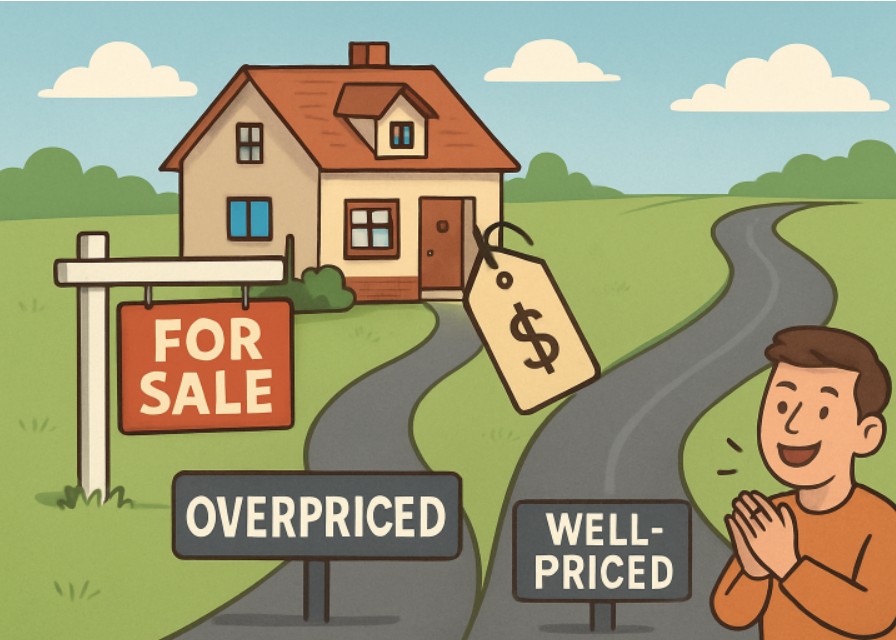
An accurate home valuation is more than just a price tag. It is a critical strategy tool that speaks directly to market realities and buyer psychology. If a property is priced too high, it may languish on the market, developing the stigma of an “old” listing. Conversely, if it is underpriced, sellers risk leaving money on the table. Zillow research shows that overpricing leads to longer listing periods, which can turn off prospective buyers who assume something must be wrong with the property. Meanwhile, underpricing may result in unnecessary financial losses, particularly if there is sufficient market demand to command a higher sale price.
Factors Influencing Home Valuations
Multiple considerations impact home valuations:
- Location: Properties near top-rated schools, popular shopping districts, and major employers generally command higher prices due to increased desirability.
- Market Trends: Shifts in local and national real estate markets, mortgage rates, and economic sentiment significantly affect current values.
- Property Features: Square footage, recent renovations, curb appeal, energy efficiency, and unique amenities contribute to the final assessment.
Risks of Inaccurate Valuations
Online home value estimators provide a convenient initial estimate, but their accuracy can vary. For instance, error rates for off-market homes can be as high as 7.49 percent, leading to notable over- or underestimations. These errors mainly occur because algorithms fail to account for local market shifts or unique property improvements. Relying only on these tools could result in marketing strategies that attract the wrong buyers or fail to generate sufficient interest, potentially affecting your financial outcome.
Professional Appraisals vs. Online Estimators
While online estimators offer instant results, their broad approach often produces unreliable figures. On the other hand, professional appraisers and seasoned real estate agents use hands-on experience, local knowledge, and direct property inspections to determine fair market value. Expert insight also helps sellers identify improvements that can further raise the selling price or justify the listing price to potential buyers and agents. Comparative Market Analyses (CMAs), prepared by experienced professionals, include in-depth comparisons with similar recently sold properties and offer a tailored approach that automated tools lack.
Timing and Market Conditions
The real estate market varies seasonally, impacting property value and liquidity. Generally, homes tend to receive higher offers and sell faster in spring and early summer, when buyer activity is highest. Listing during these times can maximize exposure and foster greater competition. In contrast, winter usually sees a slowdown, with fewer showings and more selective buyers. Sellers who adapt their timing accordingly can often secure better outcomes by aligning their strategies with these seasonal trends.
Enhancing Your Selling Strategy
Steps to Optimize Your Sales
- Invest in a professional appraisal to anchor your asking price in reality rather than optimism or guesswork.
- Review a Comparative Market Analysis (CMA) to better understand how local listings stack up and make informed pricing decisions.
- Choose a listing period when market demand is highest, often in spring or summer, to gain momentum and attract more competitive offers.
- Be responsive to agent and buyer feedback, making timely price adjustments as needed to avoid a stagnant listing.
Conclusion
Accurate home valuations are essential for a successful home-selling process. They guide your pricing strategy, influence your marketing plans, and build trust with buyers and agents. With expert advice and a thorough understanding of current market trends, homeowners can set confident prices and sell efficiently, achieving faster sales and better financial outcomes.